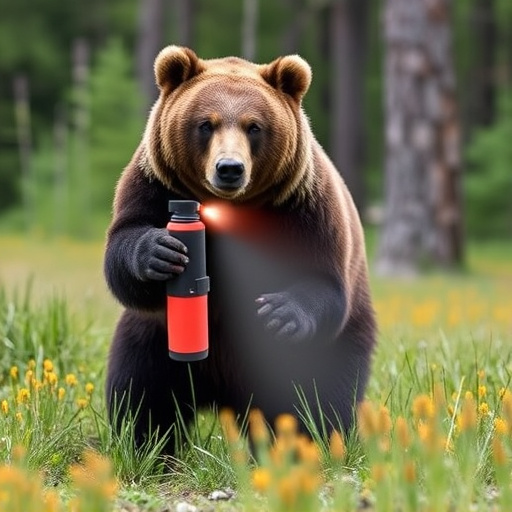
Understanding bear spray's 30-foot range requires considering wind and environmental factors. Proper usage involves aiming at the bear's face, following safety guidelines, and testing different brands for effectiveness. Bear Spray Testing Safety Guidelines prioritize user protection through rigorous testing, controlling variables like wind speed, and simulating real-world scenarios. Responsible handling and adherence to these guidelines ensure safe use of bear spray during encounters while minimizing risk to both humans and wildlife.
“Uncover the secrets behind bear spray’s 30-foot effective range with our comprehensive guide. Explore the nuances of understanding range limitations, the factors influencing its reach, and crucial safety measures for responsible usage. Delve into testing protocols to ensure optimal performance and discover real-world scenarios where it made a difference. Learn how to navigate potential encounters with confidence while adhering to Bear Spray Testing Safety Guidelines.”
- Understanding Bear Spray Range Limitations
- Factors Influencing Effective Distance
- Proper Usage and Safety Measures
- Testing Protocols for Optimal Performance
- Real-World Scenarios and Success Stories
Understanding Bear Spray Range Limitations
Bear spray is a popular defense mechanism for those venturing into bear country, but understanding its effective range is crucial for safety. The typical bear spray can reach up to 30 feet (9.1 meters), providing a valuable buffer in close encounters. However, it’s essential to recognize that this range is not infinite and varies based on several factors. Wind direction and speed play a significant role; an upstream or windy day can reduce the spray’s effectiveness, as bears might not be directly hit with the irritant.
Proper usage and timing are also key. Bear spray should be aimed at the bear’s face, and the user must activate it close enough to ensure the spray reaches the target. Testing safety guidelines recommend practicing with a trained professional to gauge proper technique and distance. Despite its reputation as a quick-fix solution, bear spray requires responsible use and an understanding of its limitations, especially in challenging environmental conditions.
Factors Influencing Effective Distance
The effective range of bear spray is often advertised as thirty feet, but several factors can influence this distance. To truly understand the capabilities of bear spray during a confrontation, it’s crucial to consider variables like sprayer technique, weather conditions, and even the specific type of bear spray used.
Bear Spray Testing Safety Guidelines emphasize the need for proper application technique. Aiming directly at the face and eyes of an approaching bear significantly increases the likelihood of neutralizing the threat within the stated range. Moreover, environmental factors such as wind direction, humidity, and temperature can affect the spray’s reach. A calm, moist day might prolong the effective distance compared to a windy, dry one. Additionally, different brands and concentrations of bear spray perform variably; testing and understanding the specific product’s effectiveness is vital for users in bear country.
Proper Usage and Safety Measures
Proper usage of bear spray involves understanding and adhering to testing safety guidelines. Before venturing into bear country, it’s crucial to familiarize yourself with the correct application technique. Start by ensuring your spray is properly licensed and approved for use against bears. Check the expiration date, as the effectiveness of the aerosol decreases over time.
When faced with a potential bear encounter, remain calm and assess the situation. Keep an eye on the bear’s movements while maintaining a safe distance. If a charge is imminent, activate the spray according to manufacturer recommendations—typically by aiming at the bear’s face and eyes. Remember, the effective range of thirty feet is crucial for deterring bears; any closer, and you risk inhaling the spray yourself. Always store bear spray securely out of reach of children and pets to prevent accidental activation.
Testing Protocols for Optimal Performance
Bear spray, a powerful deterrent against aggressive bears, is designed to create an effective barrier between the user and the bear. When it comes to understanding its range, 30 feet stands as a key benchmark. However, achieving optimal performance within this range isn’t merely about distance; it’s about testing protocols that adhere to safety guidelines.
Rigorous Bear Spray Testing Safety Guidelines ensure that products meet specific criteria for spray distribution and potency. These tests simulate real-world scenarios, accounting for factors like wind speed and direction, bearing in mind the varying environments where bear encounters may occur. By following these guidelines, manufacturers can guarantee that users receive the maximum protection within the 30-foot range, ensuring safety as the top priority.
Real-World Scenarios and Success Stories
In real-world scenarios, bear spray has proven to be an effective tool for personal safety in encounters with bears. According to numerous success stories, individuals who carried and used bear spray successfully deterred aggressive bears within their thirty-foot effective range. These incidents highlight the importance of carrying bear spray while hiking or camping in bear country, adhering to safety guidelines during testing, and understanding proper usage techniques.
Bear Spray Testing Safety Guidelines emphasize the need for responsible handling and realistic simulations. Tests should be conducted in controlled environments, ensuring the safety of participants and nearby wildlife. By following these guidelines, users can gain confidence in their spray’s effectiveness while minimizing potential risks associated with improper use or mishandling.
Bear spray, with its effective range of thirty feet, is a powerful tool in defending against bear encounters. Understanding the limitations of its range and the factors influencing distance is crucial for optimal safety guidelines. Proper usage, adherence to testing protocols, and knowledge of real-world scenarios ensure maximum effectiveness. By following Bear Spray Testing Safety Guidelines, individuals can make informed decisions and stay prepared when navigating bear country, ultimately enhancing their chances of a safe and successful experience.